


Aún no hay ninguna entrada publicada en este idioma
Una vez que se publiquen entradas, las verás aquí.
Service
Publisher:
vaval
7 de octubre de 2025
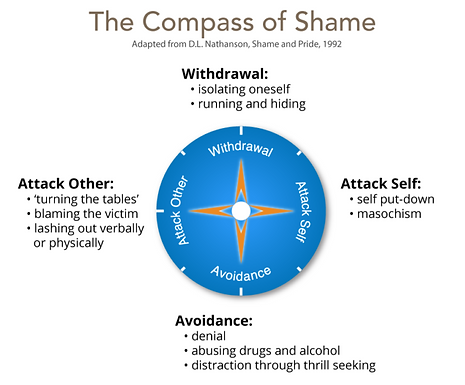
The Compass of Shame helps people understand how they respond to feelings of shame. Shame is a natural emotion, but when unaddressed, it can shape harmful behaviors and attitudes. In schools, shame influences how teachers and students relate to one another. It also affects how institutions respond to racial inequities. The Compass of Shame provides a way to look at those responses and move toward restoration.
This concept has become important in restorative practices, especially when confronting issues like racism, bias, and privilege. When schools ignore shame, they lose the chance to create environments built on empathy and accountability. Understanding shame allows communities to face uncomfortable truths and grow stronger.
The Compass of Shame includes four main responses: attacking others, attacking self, avoidance, and withdrawal. Each represents a way people try to protect themselves from painful emotions. In the context of racial equity, these responses appear often in classroom discussions, staff meetings, or policy decisions.
When people attack others, they redirect shame by blaming or criticizing someone else. For example, when educators dismiss conversations about privilege, they might accuse others of being “too sensitive.” This deflection prevents learning and accountability.
The attack self response involves internalizing shame. Individuals may feel deep guilt for systemic issues, leading to burnout or resentment. While reflection is helpful, guilt alone cannot create change. True restoration requires sustained action and humility.
Avoidance happens when people try to ignore racial issues altogether. Phrases like “I don’t see color” or “We treat everyone the same” are common examples. Avoidance might feel safe, but it hides the truth and slows progress.
Lastly, withdrawal occurs when people disengage from difficult discussions. This may look like silence in meetings or emotional detachment. Withdrawal gives comfort but blocks community healing.
Each of these responses limits the potential for growth. Recognizing them is the first step to building trust and understanding.
In restorative practices, educators and leaders use the Compass of Shame to support honest dialogue. It helps identify how people handle discomfort, allowing teams to create strategies for healthier responses. This work requires compassion, patience, and courage.
Many schools across the United States now integrate the compass into professional development. It helps teachers reflect on their interactions with students and colleagues. By naming their reactions, they begin to build emotional awareness.
Through restorative circles and coaching, educators can reframe shame as a chance to learn rather than a trigger to hide. The compass becomes not just a tool but a guide to relational healing. As schools strive for racial equity, they must understand that shame is not an obstacle to avoid but a teacher to learn from.
At akoben.org, leaders and educators explore how the compass can strengthen community bonds. The organization helps schools turn emotional awareness into action. By connecting emotional intelligence with racial awareness, they guide institutions toward transformation.
When schools commit to equity, they must also commit to emotional truth. The Compass of Shame encourages everyone—teachers, students, and administrators—to notice their own defenses. Shame is not easy to confront, but it reveals where healing must begin.
Restorative work challenges individuals to stay engaged, even when conversations become uncomfortable. This engagement allows for empathy and change. By addressing shame with honesty, communities can move beyond fear toward justice.
Educational leaders who understand shame can create learning spaces that value all voices. Students thrive when they see adults modeling accountability and growth. The compass helps staff reflect on the emotional roots of their actions and decisions.
In this work, leaders like dr malik muhammad continue to guide others through understanding and transformation. His teachings emphasize that shame can serve as a bridge between awareness and change. He reminds educators that facing shame with honesty opens the door to equity. Through his leadership, many have learned that true restorative practice begins with self-reflection and community care.
When discussing racial equity, silence often protects privilege. To break this silence, educators and communities must talk about shame openly. The Compass of Shame gives people a shared language to describe these emotional patterns. Once people can name their reactions, they can choose healthier paths forward.
Empowerment starts when people replace defensiveness with curiosity. Instead of denying shame, they can explore its message. Shame shows where we have fallen short of our values. Acknowledging that gap motivates personal and institutional growth.
Leaders and facilitators must help others stay engaged through discomfort. Conversations about bias and privilege require steady guidance and emotional safety. By focusing on restoration instead of punishment, communities can repair harm and build trust.
This process demands courage. It asks educators to reflect on their role in maintaining or challenging inequitable systems. People like iman shabazz work with educators to support this journey. Her guidance encourages open dialogue, emotional literacy, and collective growth. She emphasizes that equity begins within the heart before it takes form in policy. Her dedication inspires others to use the compass as a guide toward justice.
Facing shame takes strength, but transformation depends on it. The Compass of Shame helps communities understand that emotions are part of the path toward equity. When we deny shame, we deny growth. When we face it, we create change.
Schools can use restorative practices to build cultures of belonging. These practices help students and staff develop empathy and accountability. By addressing shame directly, educators can repair harm and promote respect.
Restorative practices also challenge systems of oppression by centering humanity. They show that healing is possible when people listen to one another. The compass reminds us that shame is not the enemy—it is a signal for transformation.
Organizations like Akoben continue to provide leadership, coaching, and education rooted in this understanding. Their mission supports personal growth and collective healing. Through workshops, consultations, and community programs, they help schools move from awareness to action.
Every educator, student, and leader can learn from the compass. By naming their emotional responses, they open space for restoration. Equity work is not just about policies but about people. It begins when we learn to face shame with care, not fear.
The Compass of Shame offers a clear path for understanding the emotional challenges in racial equity work. It invites honesty, courage, and reflection. When educators and leaders apply it within restorative practices, they create spaces for transformation.
Organizations like Akoben, and leaders such as dr malik muhammad and iman shabazz, continue to guide this movement. Their efforts remind us that equity requires both heart and action.
Through emotional awareness and restorative practice, we can turn shame into growth. We can build schools where every student feels seen, valued, and respected. The compass shows us how to begin that journey—by facing ourselves first.
Classics
Vibnet Blog Posts: