


Aún no hay ninguna entrada publicada en este idioma
Una vez que se publiquen entradas, las verás aquí.
Service
Publisher:
addisonjons
19 de diciembre de 2025
Scars are a natural part of the body’s healing process, but for many people they can be a lasting reminder of surgery, injury, burns, acne, or medical conditions. While some individuals wear their scars with pride, others feel self-conscious about changes in skin texture or color that draw unwanted attention.
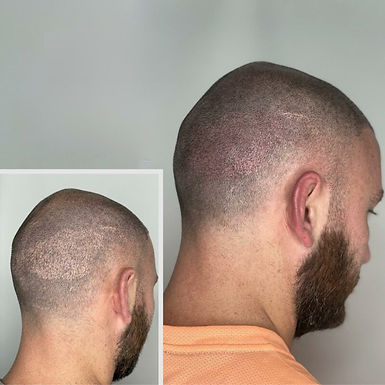
Scar camouflage tattoos, also known as paramedical tattooing or medical micropigmentation, have emerged as an effective, non-surgical option for minimizing the visible contrast between scars and surrounding skin.
Rather than covering scars with decorative ink, this technique works by blending them into the natural skin tone, helping restore visual balance and confidence.
Scar camouflage tattoos are a specialized form of cosmetic tattooing that uses custom-blended pigments to match a person’s natural skin color. The goal is not to create a design or pattern, but to deposit pigment into the scar tissue so that it more closely resembles the surrounding skin. When done correctly, the scar becomes less noticeable, especially from a normal conversational distance.
This technique is commonly used for surgical scars, stretch marks, burn scars, self-harm scars, skin graft areas, and post-mastectomy scars. It is important to note that scar camouflage does not remove scars or change their texture; instead, it addresses color discrepancies such as hypopigmentation (lighter scars) or hyperpigmentation (darker scars).
The process begins with a consultation. A trained scar camouflage practitioner evaluates the scar’s age, color, size, texture, and location, as well as the client’s skin tone and undertone. Not all scars are suitable for camouflage tattooing. Generally, scars must be fully healed—usually at least 12 to 18 months old—flat, and stable in color. Raised, keloid, or actively changing scars may not be appropriate candidates.
Once suitability is confirmed, the practitioner custom-mixes pigments to match the surrounding skin. This step is crucial, as human skin is not a single flat color but a complex blend of undertones, warmth, and translucency. During the procedure, pigments are gently implanted into the scar tissue using fine needles, similar to traditional tattooing but typically at a more superficial depth.
The treatment is usually performed in multiple sessions. Scar tissue absorbs pigment differently than healthy skin, and color may fade or shift slightly as the area heals. Follow-up sessions allow the practitioner to refine the color match and improve blending over time.
To understand how scar camouflage works, it helps to know why scars stand out in the first place. Healthy skin contains melanocytes—cells responsible for producing melanin, the pigment that gives skin its color. When skin is injured, these cells can be damaged or destroyed. As a result, scars often appear lighter or darker than the surrounding skin.
Additionally, scar tissue has a different structure. It may be smoother, shinier, or more fibrous, and it reacts differently to sunlight and aging. Scar camouflage tattooscannot replicate normal skin structure, but by correcting the pigment imbalance, they significantly reduce the contrast that makes scars noticeable.
One of the most impressive aspects of scar camouflage tattooing is the precision involved in color matching. Practitioners must account for undertones (such as yellow, red, or olive), changes in skin color due to temperature or circulation, and how pigments will heal beneath the skin. Unlike traditional tattoos that rely on bold, opaque ink, scar camouflage uses subtle, layered application to mimic the translucency of natural skin.
As the skin heals, the pigment settles and softens, allowing the scar to visually recede. In many cases, the eye no longer focuses on the scar because there is no sharp color difference to draw attention.
While the visual improvement is significant, the emotional impact of tattoos is often just as important. Many clients report increased confidence, comfort in social situations, and a renewed sense of control over their bodies. For individuals with scars from medical procedures, trauma, or self-harm, the treatment can play a meaningful role in emotional healing.
Scar camouflage can also reduce reliance on heavy makeup or clothing choices used solely to hide scars. For areas like the arms, legs, chest, or abdomen, this freedom can be life-changing.
Despite its benefits, tattooing is not a miracle solution. It does not eliminate scars, remove raised texture, or guarantee invisibility under all conditions. Scars may still be visible under certain lighting, at close range, or when the skin is tanned, as tattoo pigments do not darken with sun exposure the way natural skin does.
Results also depend heavily on the practitioner’s training and experience. Because this is a highly specialized field, choosing a qualified professional with paramedical tattooing expertise is essential. Poor color matching or improper technique can make scars more noticeable rather than less.
When performed by a trained professional using sterile equipment and high-quality pigments, scar camouflage is generally safe. As with any procedure that breaks the skin, there is a small risk of infection or irritation, which can be minimized through proper aftercare.
After treatment, clients are typically advised to keep the area clean, avoid sun exposure, and refrain from picking or scratching as the skin heals. Full healing can take several weeks, with final results becoming apparent after the pigment has fully settled.
Scar camouflage are ideal for individuals with mature, flat scars that are significantly lighter or darker than their surrounding skin. People seeking a natural-looking improvement rather than complete erasure tend to be the most satisfied with their results. A thorough consultation helps determine whether the technique aligns with the client’s skin type, scar characteristics, and expectations.
Scar camouflage tattoos represent a blend of artistry, technical skill, and an understanding of human skin. By carefully restoring pigment where it has been lost or altered, this technique allows scars to blend more seamlessly into natural skin. While subtle in appearance, the impact can be profound—helping individuals feel more comfortable, confident, and at ease in their own bodies.
Classics
Vibnet Blog Posts: